A gutter is a pipe or trough along the edge of a roof that redirects rainwater to prevent leakage and structural damage. Gutter installation is a vital home improvement project that requires careful planning to ensure that water flows properly through the system.
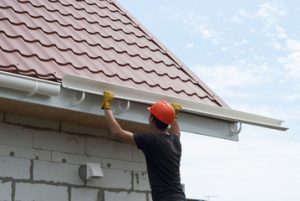
An efficient gutter installation process depends on many factors, including the size of your house and the intricacy of your roof structure. A professional gutter installer can help you navigate these challenges for a seamless installation that lasts.
The gutter is an important part of any home or commercial building, directing water flow and protecting the foundation, walls, roof, and landscaping. However, a poorly functioning gutter can lead to expensive repairs and drainage problems. Choosing the right gutter supplies is essential for efficient water management. The choice of material, size, and style should be tailored to local weather conditions. The right gutter slope is also key to ensuring that the gutters drain properly and avoid clogs.
The main function of the gutter is to direct rainwater from the roof to downspouts and away from the property. A well-functioning gutter system can protect the house’s foundation, prevent basement flooding, and reduce landscaping damage. Gutter systems are available in a variety of materials and styles, so they can complement any aesthetic or budget. Choosing the best gutter supply is important for the long-term performance of the gutters.
When installing a new gutter, it is vital to consider the roof’s pitch and drainage requirements. The roof’s pitch is the incline of the roof surface over a 12-inch run. This measurement determines the size of the gutter needed. To measure the roof’s pitch, climb a sturdy A-frame ladder or straight ladder and carefully extend a measuring tape from one end of the gutter to the other. Write down the measurement on a piece of paper or in a note-taking app.
Another option is to use professional aerial measurements, which can help to speed up the process. This method eliminates the need to fumble with measuring tools on the roof, which can be dangerous and increase the likelihood of falls. In addition, it can make the job easier and more accurate.
Lastly, the gutter material should be chosen based on the homeowner’s budget and priorities. For example, aluminum offers a durable solution that is affordable and easy to install. Copper and steel are also popular choices that offer longevity and beauty. Galvanized steel provides a low-maintenance alternative with resistance to rust and corrosion.
Seamless gutters are also available, providing a more polished look. They are available in a wide range of colors and can be customized to match the trim or shutters. However, seamless gutters can be more expensive than sectional gutters and may require additional labor.
Identifying the Slope
Gutter slope is an important detail that can make or break the effectiveness of a gutter system. If a gutter is flat, water won’t be able to flow properly into downspouts, which can lead to clogging and other problems. A properly sloped gutter can effectively drain away heavy rains, protecting your home from structural damage and preserving the beauty of your yard and landscape.
Identifying the proper gutter slope involves taking several factors into account. First, homeowners need to determine the size of their roof structure. This can be done by dividing the vertical rise of the roof section in inches by 12. The result is a ratio that helps homeowners understand the amount of gutter capacity needed for their home. Once the desired gutter size is determined, it’s time to calculate the amount of slope needed. This is accomplished by dividing the height of the desired gutters in feet by their length. The resulting number is the gutter’s slope.
Once the proper slope for your gutters is identified, it’s time to install them. A professional gutter installation service is the best way to ensure that your new gutters are correctly installed for optimal functionality and efficiency. Professionals understand how to balance the complexities of a project with the timeline constraints of homeowners, creating a seamless process that accounts for external elements and produces results that can withstand the test of time.
Finally, it’s critical that homeowners inspect their existing gutter systems for any openings or holes that might allow water to leak into the structure of the house. These open spaces can lead to mold, mildew and other problems that could be more expensive to repair in the long run. To prevent these issues, it’s a good idea to apply a weather-resistant sealant to these areas to protect the structure of the house and keep pests out.
The final step in ensuring that gutters are sloped properly is to ensure that the proper length of downspouts are installed. Typically, one downspout should be used for every 20 to 30 feet of gutter length. Once the desired length of downspouts has been identified, it’s time to install them. To do this, homeowners need to carefully remove any debris and standing water from the gutters and then use a level to determine how much of a slope is needed for the downspouts. Once the slope has been established, the downspouts can be positioned appropriately and then screwed to the fascia and into the rafter tails.
Selecting the Downspouts
The gutter’s knight in shining armor, the downspout, helps protect a house from water damage by diverting rainfall away from the foundation and other vulnerable areas. But just like the gutter itself, downspouts require regular care to perform well. Routine maintenance includes cleaning, inspection, and prompt repairs to avoid clogging with debris or overflowing, especially in foliage-heavy areas. Installing downspout extensions and ensuring that they are properly directed can further safeguard the home’s structure and landscaping from damage. Investing in gutter guards also makes downspout cleaning easier, reducing the likelihood of clogs and making the task faster and less labor-intensive.
Gutters are secured to the fascia board using hangers and brackets, which vary in design depending on the type of gutter selected. In order to ensure the system is sturdy and effective, professional contractors double-check the alignment during installation and use quality hangers that are designed to hold the weight of a full gutter load. They also make sure the gutters are pitched correctly-ideally, sloping away from the house at a rate of 1/4 inch for every 10 feet of gutter.
The slope of a roof impacts the size of gutters needed and their efficiency, as steeper pitches facilitate more rapid flow while narrower ones may become overwhelmed during intense rainfall. The pitch can also determine the amount of rainwater a gutter can handle; use this table to find the ideal gutter size for your area’s typical rainfall intensity.
Once the gutters are in place, they should be tested by running a hose over them to confirm that the pitch is correct and that water flows freely. If any leaks are detected, the contractor should seal them immediately to avoid structural and cosmetic damage. Finally, a high-quality gutter and downspout sealant should be applied to any joints, seams, or connections to ensure water is sealed off and the system is waterproof. After the sealant has dried according to manufacturer’s instructions, the gutters and downspouts can be inspected again for proper operation. For the best results, homeowners should hire a professional gutter installer to ensure the job is done right the first time.
Installing the Brackets
Gutters play an important role in protecting your home from water damage. Proper gutter installation channels rainwater away from siding, landscaping, and foundations to prevent erosion, mold, and basement leaks. However, gutters can be damaged by improper hanger spacing, which impacts how much rainwater the system can handle. This is especially true if your gutters are constructed from a heavy material, like copper or steel. The best way to prevent this from happening is by ensuring that your gutters are properly spaced when installing them.
Before starting, make sure that you have the right tools for your gutter installation project. These include a ladder, measuring tape, and a hacksaw or power saw with metal-cutting blades. It’s also a good idea to have a level and a chalk line for marking the slope. In addition, you’ll want to purchase a selection of gutter sections, hangers, and gutter downspouts. You’ll also need gutter-rated sealant and end caps.
Once you’ve prepared the area for gutter installation, it’s time to start by marking the slope. The gutters should have a slight slope toward the downspouts to facilitate proper water flow. To mark the slope, use a chalk line across the roofline. This will give you a straight reference point for the rest of the gutter installation process.
The next step in the gutter installation process is to install the gutter brackets along the chalk line. This will help to secure the gutters and ensure that they are spaced properly for proper water flow. It’s important to install the gutters with a close gap between the fascia board and the gutters, as this will help to prevent wood rot.
Finally, it’s a good idea to install a strip of gutter flashing under the shingles and over the back edge of the gutter. This will help to protect the gutters from rust and corrosion and will also prevent water from seeping behind the gutter, which can cause fascia damage.
Gutter installation is a big job and requires careful planning. A well-installed gutter system will direct rainwater away from your home to prevent damage and keep it looking its best. However, if you’re not comfortable with climbing ladders and working on high surfaces, hiring a professional gutter service may be a better option for you. Professionals have the experience and equipment to perform the work safely and effectively, while providing a one-stop solution for all of your guttering needs.